

Every tool comes with a reason.
Online therapy built on four methods, with the reasoning behind each one out in the open.
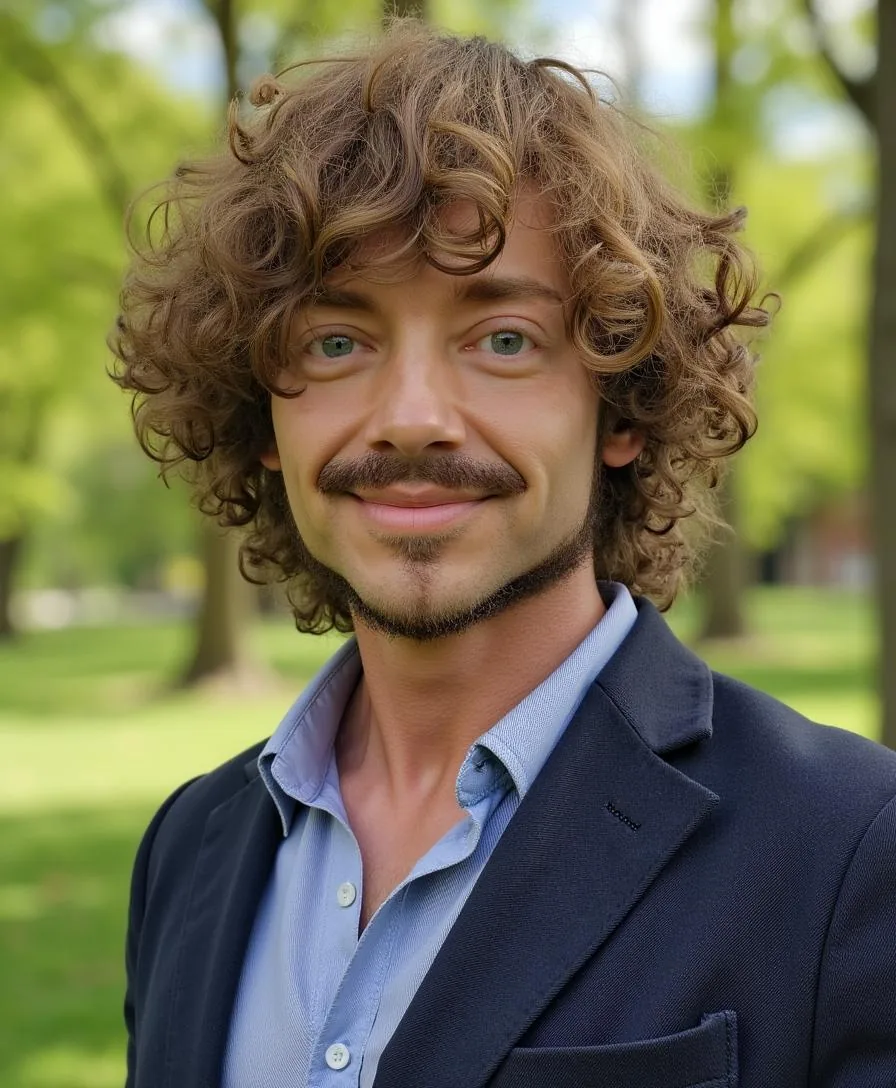
How Christopher Works
Knowing why a tool is on the table is part of the work.
Christopher draws on CBT, DBT skills, mindfulness-based work and a transpersonal perspective. Here is what each one looks like in an actual session, how they fit together, and how to ask whether any of it suits what you're dealing with.
In Plain Words
What each method looks like in a session
CBT: Checking the Story
You bring a thought that has been running the show, like "they think I'm not ready," and look at it together: what backs it up, what doesn't, and what a fairer version sounds like.
DBT Skills: Riding the Spike
Concrete moves for the moment a feeling surges: naming it, waiting out the urge to fire off a reply, and getting steady enough to choose what you actually want to do.
Mindfulness: Catching It Early
Noticing in real time that your voice speeds up whenever a certain topic surfaces, and treating that as useful information rather than a verdict. Sitting still is optional.
Transpersonal: The Bigger Why
Asking what matters to you underneath the problem, and how you relate to your own thoughts. It's secular, with nothing to believe and no mystical promises attached.
How They Fit
One conversation, several tools
A session doesn't march through the four methods in order. It starts with what's actually going on in your week, and the method follows the problem. A worry that keeps circling might call for CBT. A conversation that went sideways might call for a DBT skill. Mindfulness tends to show up in between, as a way to notice what's happening while it's still happening.
Underneath all of it, the transpersonal perspective keeps a second question in view. Not only how to feel less stuck, but what you want your days to be about, and whether the plan you're following still fits what you value.
Collaborative and Direct
What working together means here
Collaborative means you have a real say in what you try. Nothing is handed over from a script, and what you practice between sessions comes out of the conversation, sized to the week you actually have. If something doesn't fit, you can say so, and the plan can change.
Direct means Christopher tells you plainly what he notices and why he's suggesting a particular tool. The methods are research-supported, and he spells out the logic behind each one, so you can reshape it on your own down the line. Expect warmth too, and a little humor when it helps.
Is It a Fit?
How to ask whether an approach suits you
Bring One Real Example
Instead of asking about methods in general, describe one specific moment, like the report you keep circling, and ask how Christopher would work with it.
Ask What It Looks Like
If a method sounds abstract, ask what it would look like on an ordinary Tuesday. A useful answer is concrete, not a slogan.
Say What Hasn't Worked
If planners, pep talks or a previous round of therapy didn't stick, mention it. That history shapes what's worth trying next, and it isn't a failure.
Ask About the Balance
Some weeks call for a practical tool, others for the slower work on patterns and values. Ask how the two would be balanced for what you're facing.
How Christopher Works
Practical, collaborative, and down-to-earth.
CBT
Noticing the thoughts that drive a reaction and testing whether they hold up.
DBT skills
Concrete tools for strong emotions, distress, and staying steady in hard moments.
Mindfulness-based work
Catching a reaction early enough to choose a different response.
Transpersonal perspective
Room for meaning and values, in a secular way, with nothing to believe.
What Can Shift
What can shift over time
When you understand the reasoning behind a tool, it can get easier to bend it to fit a new job, a new relationship or a bad week. You may notice a reaction a beat earlier, or recover from a hard day with less self-criticism. How that shows up varies from person to person, and no particular result is promised.
What Sessions Look Like
Simple and online
Sessions are 60 minutes by video. Before anything else there is a free 15-minute consultation to see whether it feels like a fit. You send a short request through the contact page, and Christopher follows up to confirm a time.
Fees in Brief
What it costs
- Free consultation
- 15 minutes, free
- Individual online session
- $200 for 60 minutes
24-hour cancellation policy. Late cancellations are charged the full session fee.
See RatesDo I have to choose a method before I start?
No. You bring what's going on, and the methods follow from that. If one of them interests you, ask about it in the free consultation.
Is the transpersonal part spiritual?
It's secular. It means making room for meaning and values alongside the practical work, and there's nothing you're asked to believe.
What if a tool doesn't work for me?
Say so. Because you know the reasoning behind it, you and Christopher can adjust it, swap it out, or look at what got in the way.
Ask how it would work for you.
Bring your questions about any of these methods to a free 15-minute consultation.