

The alarm goes off before you can think.
For adults whose anxiety arrives all at once: racing heart, cold hands, dread of the next one.
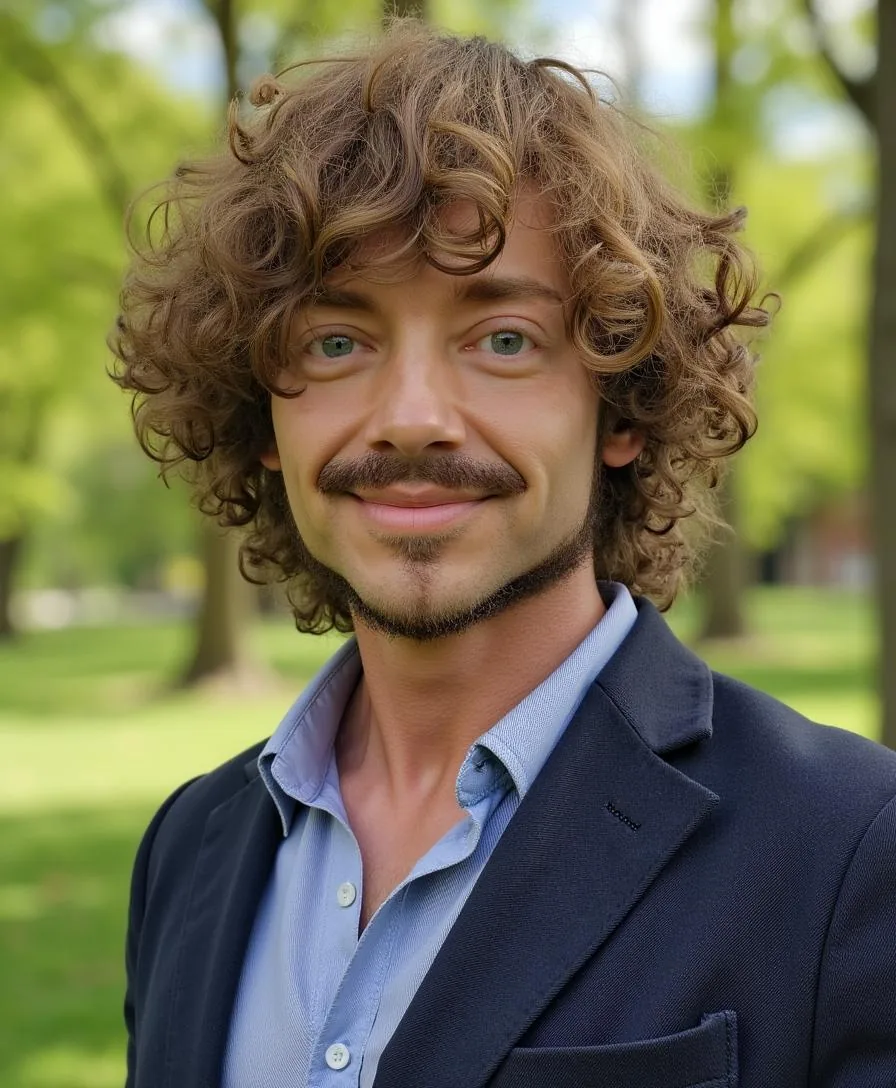
Panic Attacks
Panic is loud. Getting to know its pattern can make it less mysterious.
Online sessions with Christopher look at what happens before, during, and after an attack, and at the quieter fear of the next one. The aim is steadier ways to respond, not a promise that panic never returns.
Sound Familiar?
What it can feel like
You're in the checkout line, or ten minutes into a meeting, and your heart starts pounding for no reason you can find. Your hands go cold. The room feels too bright and oddly far away, and one thought crowds out everything else: something is very wrong.
Then it passes, and a second problem moves in. You start planning around the next one: the aisle seat, the excuse to skip the train, the pulse check before a presentation. From the outside you look fine. Inside, you are keeping watch.
In Session
What sessions can work on
Mapping One Attack
Slowing a single episode down, from the first flutter to the shaky aftermath, so the sequence feels less like it came out of nowhere.
Skills for the Surge
Short grounding and DBT skills you can use in the middle of a wave, at a desk or in a parked car, so you have something to do besides wait it out.
The Fear of the Next One
Looking at the watching and bracing between attacks, which can take up more of your week than the attacks themselves.
Getting Your Plans Back
Small, chosen steps back toward the places and plans you've started avoiding, at a pace you set and talk through first.
Worth Knowing
Body symptoms and urgent help
Panic shows up in the body, so it makes sense to have physical symptoms checked by a doctor, especially if they're new, different, or worrying you. Therapy works alongside that care, not in place of it.
This practice is not an emergency service. If you ever need urgent help, use the crisis and emergency numbers listed at the bottom of every page rather than waiting for a consultation.
How Christopher Works
Practical, collaborative, and down-to-earth.
CBT
Noticing the thoughts that drive a reaction and testing whether they hold up.
DBT skills
Concrete tools for strong emotions, distress, and staying steady in hard moments.
Mindfulness-based work
Catching a reaction early enough to choose a different response.
Transpersonal perspective
Room for meaning and values, in a secular way, with nothing to believe.
What Can Shift
Where change can show up
The surge can start to feel more familiar and less in charge. You may notice the first signs a little earlier, have a skill in hand when a wave hits, and spend fewer hours braced for the next one. Everyone's pace is different, and no particular result is promised.
What Sessions Look Like
Simple and online
Sessions are 60 minutes by video. Before anything else there is a free 15-minute consultation to see whether it feels like a fit. You send a short request through the contact page, and Christopher follows up to confirm a time.
Fees in Brief
What it costs
- Free consultation
- 15 minutes, free
- Individual online session
- $200 for 60 minutes
24-hour cancellation policy. Late cancellations are charged the full session fee.
See RatesCan therapy help if I don't know what sets off my panic?
Not knowing is a reasonable place to start. Part of the work is looking back at recent episodes to see what was going on beforehand, without assuming there has to be one single cause.
What if I panic during a video session?
Then you work through that moment together, at a pace that feels manageable. It helps to join from a private spot where you can sit down and pause if you need to.
Will I have to face everything I avoid all at once?
No. Any steps toward things you've been avoiding are small, chosen by you, and talked through before you try them.
The next wave is worth talking about.
A free 15-minute consultation is a low-pressure way to describe what the attacks have been like and ask how sessions would approach them.