

Every option weighed, and still no choice.
Online therapy for adults who compare everything, poll everyone, and still can't commit.
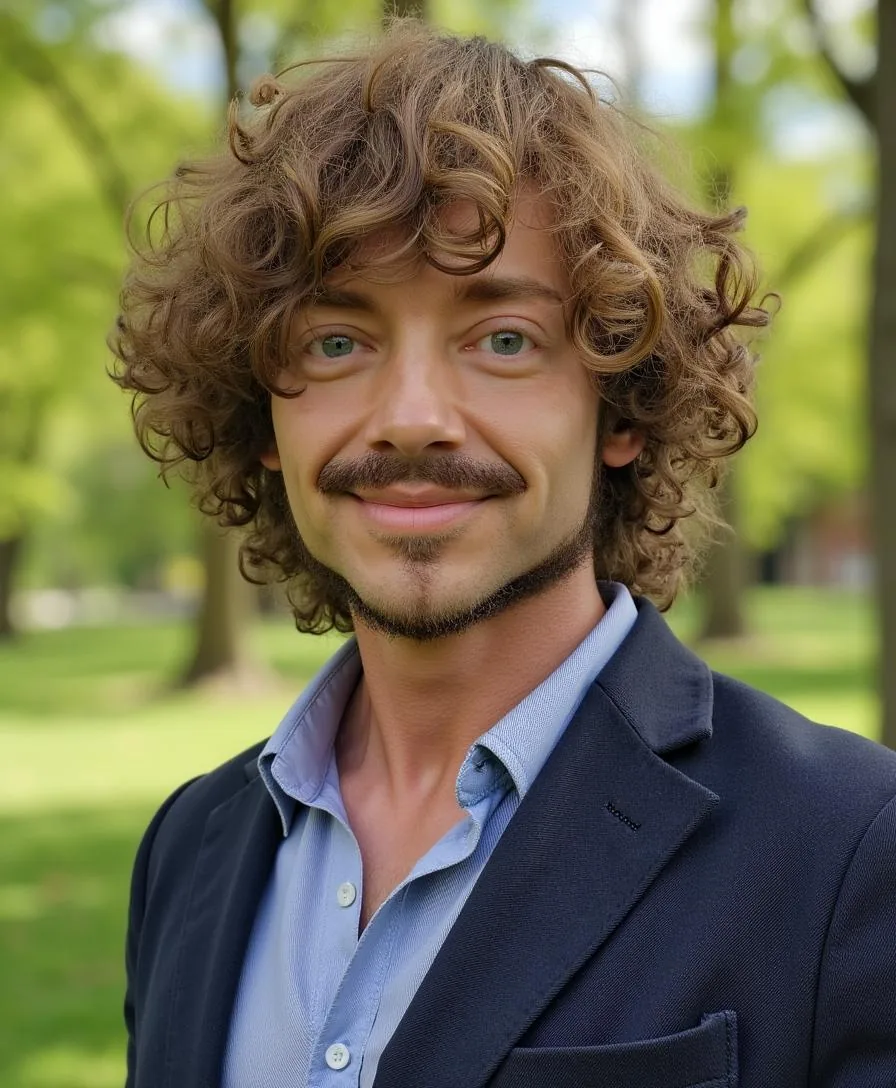
Anxiety About Decisions
From the lunch order to the job offer, picking feels risky.
Whether it's a sandwich or a lease, choosing can feel like a test with one right answer you might miss. Sessions with Christopher look at what makes committing so hard, and how to choose without being certain.
Sound Familiar?
When choosing turns into a project
You read forty reviews before buying a toaster. You ask three friends which apartment to take, then ask a fourth because the first three disagreed. The job offer has a deadline, and you spend the last day redoing a pros and cons list you already made twice.
Even after you choose, the doubt can keep going. You check the price again, or picture the other apartment and wonder if it was the smarter call. Other people may see someone careful. From where you sit, every choice can carry a quiet chance of getting something important wrong.
In Session
Ways to choose without certainty
Sizing the Decision
Sorting the choices that deserve real thought from the ones that just need an answer, so a takeout order stops getting the same effort as a career move.
The Good-Enough Pick
Practicing choices that are good enough, then noticing what actually happens afterward instead of what the worry predicted.
The Thoughts Behind Stalling
Looking at beliefs that keep a choice open, like "there's a perfect option" or "a wrong pick would be a disaster," and checking whether they hold up.
Values as a Tiebreaker
When two options are close, what you care about can be a better tiebreaker than another round of comparing.
Why It Sticks
Why putting it off can feel better
Leaving a choice open can bring a little relief. While nothing is decided, nothing can be wrong yet. The trouble is that the relief fades, the deadline gets closer, and the next decision shows up feeling just as heavy. Seeing that cycle clearly is a useful place to start.
Sessions begin with the decisions actually in front of you, whether that's a job offer or what to say yes to on Saturday. You don't need to arrive with the problem neatly described.
How Christopher Works
Practical, collaborative, and down-to-earth.
CBT
Noticing the thoughts that drive a reaction and testing whether they hold up.
DBT skills
Concrete tools for strong emotions, distress, and staying steady in hard moments.
Mindfulness-based work
Catching a reaction early enough to choose a different response.
Transpersonal perspective
Room for meaning and values, in a secular way, with nothing to believe.
What Can Shift
What can change about choosing
Choices may start to take less out of you. You might decide with the information you have, let a small choice stay small, and live with an imperfect pick without reopening it every few days. How that looks differs for each person, and no particular outcome is promised.
What Sessions Look Like
Simple and online
Sessions are 60 minutes by video. Before anything else there is a free 15-minute consultation to see whether it feels like a fit. You send a short request through the contact page, and Christopher follows up to confirm a time.
Fees in Brief
What it costs
- Free consultation
- 15 minutes, free
- Individual online session
- $200 for 60 minutes
24-hour cancellation policy. Late cancellations are charged the full session fee.
See RatesWill Christopher tell me what to decide?
No. The decision stays yours. Sessions focus on what's getting in the way of choosing, so you can make the call yourself.
Do I have to feel sure before I decide?
Not necessarily. Waiting to feel certain can be part of what keeps a choice stuck, so part of the work is practicing decisions made with enough information rather than all of it.
Are small decisions worth bringing to therapy?
Yes. If choosing a birthday card takes twenty minutes, the pattern is worth a look, and small choices are a low-risk place to practice.
Asking is a decision too.
This one can stay small: a free 15-minute consultation, with no obligation either way.