

Distracted, then worried about being distracted.
For adults who recognize both patterns, with or without a diagnosis, and are tired of the cycle.
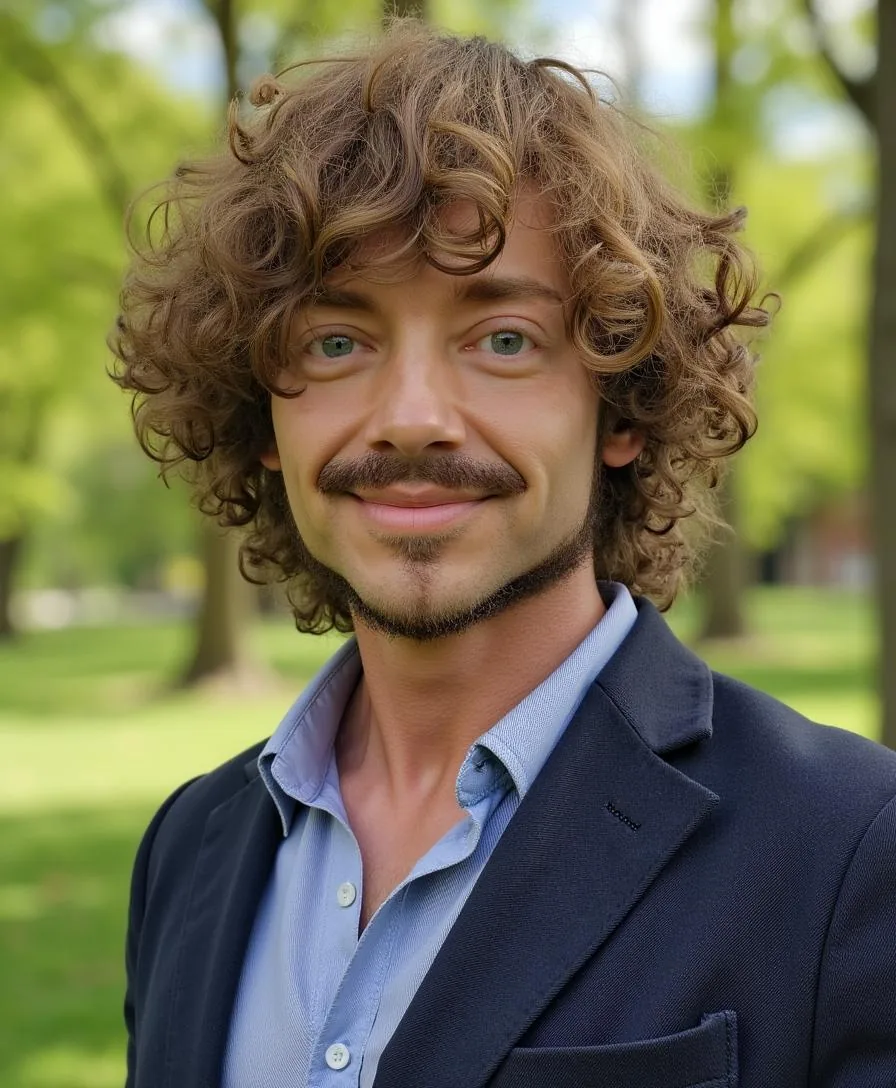
Anxiety and ADHD Together
You forget one thing, then spend three days worrying about it.
Online sessions with Christopher work on both sides of the cycle: structure for the attention side, and steadier ways to meet the worry that rushes in to fill the gaps.
Sound Familiar?
How the two can feed each other
You miss a deadline by a day, and the worry about it follows you around for a week. The worry makes it harder to focus, so the next thing slips too. Before long you're checking your calendar five times a morning and asking "Did I already send that?" because your memory no longer feels trustworthy.
Sometimes anxiety turns into the reminder system. Nothing gets started until the dread is loud enough, and then everything happens at 11 p.m. It works, sort of, and it is exhausting.
In Session
What sessions can explore
Sorting the Strands
Noticing which part of a stuck moment is worry and which part is attention, so you can respond to what's actually going on.
Structure That Does the Remembering
Reminders and outside structure built around how your attention works, so worry no longer has to be the thing keeping track.
Starting Before the Dread
Shrinking first steps until they can happen before the anxiety builds, instead of waiting for panic to supply the push.
Quieter Inner Commentary
Easing the voice that treats every slip as proof of something, since that voice tends to feed the worry and the stall at the same time.
An Honest Note
What sessions include, and what they don't
You don't need a diagnosis of either to start. Christopher works with adults who have an ADHD diagnosis, adults who suspect one, and adults who simply recognize the pattern in their week. Sessions don't include ADHD evaluations, testing, or medication. If you'd like to pursue any of those, Christopher can talk with you about where to look.
How Christopher Works
Practical, collaborative, and down-to-earth.
CBT
Noticing the thoughts that drive a reaction and testing whether they hold up.
DBT skills
Concrete tools for strong emotions, distress, and staying steady in hard moments.
Mindfulness-based work
Catching a reaction early enough to choose a different response.
Transpersonal perspective
Room for meaning and values, in a secular way, with nothing to believe.
What Can Shift
Where the cycle can soften
The two patterns can lean on each other less. With structure carrying more of the remembering, worry may have less to grab onto, and a slip can become information instead of a verdict. Results aren't promised, and change takes its own shape for each person.
What Sessions Look Like
Simple and online
Sessions are 60 minutes by video. Before anything else there is a free 15-minute consultation to see whether it feels like a fit. You send a short request through the contact page, and Christopher follows up to confirm a time.
Fees in Brief
What it costs
- Free consultation
- 15 minutes, free
- Individual online session
- $200 for 60 minutes
24-hour cancellation policy. Late cancellations are charged the full session fee.
See RatesHow do I know whether it's anxiety or ADHD?
You don't have to sort that out before starting, and sessions won't hand you a label. There's a separate page comparing the two, and the free consultation is a fine place to talk it through.
What if worry is the only thing that gets me moving?
That's worth taking seriously, because the worry has been doing a real job. Sessions look at what else could take over that job, like reminders, smaller first steps, and outside structure, so the dread doesn't have to.
Can I practice mindfulness if I can't sit still?
Sitting still isn't required. Christopher is known for his work around ADHD and meditation, and the skills here can be practiced on a walk, at your desk, or mid-task.
Both patterns are welcome here.
A free 15-minute consultation is a simple way to describe how the two show up for you and ask how sessions would work.